Southern California is more than just a hotbed of sunshine and beaches—it is the epicenter of the U.S. self storage industry. A dozen of the 50 largest operators in the nation are headquartered here, with six based in Orange County alone, including Public Storage, the world’s largest self storage REIT (SpareFoot, 2024). This concentration of expertise, paired with the region’s dense population, high housing costs, and constrained development environment, makes understanding the total size of the market — in square footage — an essential step for investors and developers.
According to data from Storage Café, the Southern California self storage market includes:
| Metro Area | Facilities | Units | Total Square Feet |
| Los Angeles | 213 | 9,535 | 6.8M+ SF |
| San Diego | 83 | 10,388 | 6.6M+ SF |
| Inland Empire* | Data not fully disclosed | __ | Significant, growing rapidly |
The Inland Empire has become one of California’s fastest-expanding storage markets, fueled by migration from Los Angeles County, more attainable housing, and a development environment with fewer restrictions.
Combined, Los Angeles and San Diego alone account for over 13.4 million square feet of self storage space. Factoring in the Inland Empire, Orange County, and smaller Southern California markets would likely push the regional total well above 20 million square feet.
Smaller Living Spaces
California apartments average roughly 50 square feet smaller than the national norm, while households are larger at 2.8 people compared to 2.5 across the U.S. This density drives storage demand.
High Barriers to Entry
Limited buildable space in coastal metros constraints supply growth. Even with some new facilities entering the pipeline, such as the 6.62% projected supply increase in Los Angeles-Long Beach-Anaheim (Radius+, 2024), availability remains tight.
Headquarters Hub
Southern California’s role as the headquarters for many of the nation’s top storage operators creates an industry ecosystem that fosters expansion and innovation (SpareFoot, 2024).
The region is also a top performer in sales and pricing:
The California legislature is considering SB 709, which would cap annual self storage rent increases at 5% plus CPI (or 10%, whichever is lower). While supported by consumer advocates, the measure is opposed by industry groups, which argue it could limit operational flexibility (California Senate Judiciary Committee, 2025).
The self storage market in Southern California is vast, valuable, and strategically positioned for long-term growth. With more than 13.4 million square feet in Los Angeles and San Diego alone—and significant inventory in surrounding metros—the region offers one of the most compelling investment stories in the U.S. storage sector.
SVN | Vanguard specializes in identifying, evaluating, and transacting on self storage opportunities across Southern California, leveraging both national reach and deep local knowledge.
Are you interested in learning more? Contact us to request a full Southern California Self Storage Market Briefing!
Sources:
Radius+, California’s Top Growing Self Storage Markets (2024)
SpareFoot, Why Are So Many Self Storage Companies Based in Southern California? (2024)
Modern Storage Media, Q1 2025 Self Storage Sales at $855M Amid Positive Investor Sentiment
California Senate Judiciary Committee, SB 709: Self Service Storage Facilities
The Southwest Region—spanning key markets like Phoenix, Denver, Las Vegas, and San Diego—continues to shift gears in 2025. Following years of rapid growth, the region is experiencing a recalibration. Industrial and retail remain steady, while multifamily faces supply challenges, and office continues to evolve. Throughout, investor sentiment is cautiously optimistic, with many watching for signs of bottoming in certain sectors.
San Diego Market Overview: Navigating Change in Q2
San Diego’s commercial real estate (CRE) market is adjusting to new realities. The second quarter of 2025 shows a city balancing rising vacancies in some sectors with encouraging momentum in others. Office space downtown continues to struggle, while industrial leasing picks up in trade-driven submarkets. Multifamily is navigating oversupply, and retail remains San Diego’s most stable and selective asset class.
Office Market: Downtown Vacancy Climbs, Suburbs Hold Ground
San Diego’s office market continues to face pressure. Citywide vacancy reached 13.1%, and Downtown surpassed 35%. New projects like the Campus at Horton and RaDD remain largely unleased, contributing to record-high availability. Real vacancy could be closer to 50% when factoring in unused and unlisted space.
Despite these challenges, suburban areas such as Del Mar Heights and Kearny Mesa are holding strong, with vacancies below 10%. Tenants are flocking to well-located, modern spaces, avoiding aging inventory downtown.
What This Means for You:
Industrial Market: Otay Mesa Leads Leasing Recovery
After over two years of negative net absorption, the industrial market is finding its footing. Vacancy stands at 9.5%, the highest since 2013, but leasing activity surged this quarter. Otay Mesa is the star performer, with proximity to the border driving strong logistics demand. Small-bay spaces under 50,000 SF remain in demand, especially in El Cajon, Escondido, and Central San Diego.
Flex industrial buildings tied to biotech are facing a slower recovery due to high sublet availability and tempered demand in Torrey Pines and Sorrento Valley.
What This Means for You:
Multifamily Market: High Supply, Flat Growth
Multifamily is in a holding pattern. Vacancy sits at 5.3% overall, but luxury apartments downtown and around Balboa Park are closer to 9%. Despite 4,700 units absorbed in the past year, generous concessions—6–8 weeks of free rent—are common. Rent growth is minimal at just 0.2% year-over-year.
A total of 9,200 units remain under construction, with several large projects due by 2026. High living costs and economic pressures are pushing renters toward more affordable or shared housing options.
What This Means for You:
Retail Market: Low Vacancy and High Selectivity
Retail is holding firm with a 4.4% vacancy rate and solid tenant demand. Service-based businesses and discount retailers are driving most of the leasing. Class A space in affluent areas like UTC, La Jolla, and Encinitas remains highly competitive.
Much of the available inventory is in older buildings or less affluent neighborhoods, where leasing has slowed. New retail development is minimal, with most new space tied to mixed-use projects.
What This Means for You:
Final Takeaways
Q2 2025 reveals a San Diego market that is adapting rather than retreating. Office continues to evolve with structural vacancy downtown. Industrial is rebounding, led by Otay Mesa. Multifamily remains under pressure but stable, and retail is steady, driven by lack of supply and selective tenant demand.
For investors, owners, and real estate professionals, success in today’s market hinges on adaptability, local knowledge, and a focus on submarket strengths. Keep watching, keep learning—opportunity lies in precision.
Ready to Take the Next Step?
Whether you’re buying, selling, leasing, or investing in San Diego commercial real estate, our expert advisors at SVN | Vanguard can help you navigate today’s market with clarity and confidence.
Source: Costar
The SVN Southwest Region Quarterly Newsletter will keep you informed and equipped with the latest trends, opportunities, and expert analysis in this thriving region. Our team of experienced professionals understands the dynamic nature of the Southwest’s commercial real estate landscape. We are committed to delivering valuable content, including market indicators, investment opportunities, regulatory updates, and localized insights.
The Southwest’s commercial real estate market is recalibrating after years of aggressive growth. Across major metros like Phoenix, San Diego, Denver, and Houston, developers are slowing down as elevated vacancies meet a more cautious tenant base. Industrial continues to be a standout—though vacancy has risen due to heavy deliveries in markets like Las Vegas and San Antonio, demand for small-bay and last-mile facilities remains solid. Otay Mesa in San Diego and West Phoenix are drawing serious interest from 3PLs and nearshoring occupiers despite macro headwinds like tariffs. Retail is proving remarkably resilient. Even with national closures, demand for quality space remains high—especially in high-income submarkets—fueling steady rent growth in San Diego, Phoenix, and Inland Empire.
Multifamily, meanwhile, faces its moment of digestion. A wave of new luxury units is colliding with affordability stress across markets, particularly in Phoenix (11.8% vacancy) and Las Vegas (9.6%). Concessions are widespread, and rent growth has turned negative in several metros. Still, absorption is healthy in markets like Fort Collins and San Diego, suggesting that demand exists—it just needs to catch up to supply. Office continues to struggle region-wide, with vacancy climbing past 16% in Phoenix and nearing record highs in Downtown San Diego. However, smaller, suburban spaces in places like Del Mar Heights and Chandler are still attracting tenants, reflecting a clear flight to quality and efficiency. Overall, Q1 signals not a market in freefall, but a sector in reset—clearing the runway for more strategic, sustainable growth ahead.
San Diego’s commercial real estate market in Q1 2025 presents varied conditions across the major property types—Office, Industrial, Multifamily, and Retail. This comprehensive review draws exclusively from CoStar’s detailed Q1 market reports to provide clarity and actionable insights for investors, property owners, brokers, and those new to commercial real estate.
As San Diego enters the second quarter of 2025, the commercial real estate (CRE) landscape reflects a bifurcated recovery. Some sectors are showing early signs of stabilization, while others struggle under the weight of high vacancies and economic stressors. Here’s a breakdown across the core sectors:
San Diego’s office market continues to face substantial headwinds, especially Downtown, where vacancies have reached unprecedented highs. The citywide vacancy rate stands at 12.9%, with Downtown alone facing a record-high availability above 35%, and industry insiders estimate true vacancy could be closer to 50%, factoring in unmarketed and underutilized space. Significant new developments like the completion of the 2.4M SF Campus at Horton and RaDD — with no tenants confirmed — intensifies the vacancy challenge.
The industrial market is experiencing mixed signals. Vacancy rates have climbed to 8.8%, a decade-high level driven by extensive new construction. The highest since 2013, due to 3.1M SF in new deliveries and over 2M SF in negative net absorption over the last 12 months. Otay Mesa is a bright spot, showcasing increased leasing activity driven by proximity to trade routes.
Multifamily properties are navigating a challenging environment characterized by substantial new unit deliveries, especially luxury units. Overall vacancy is stable at 5.0%, but submarkets like Downtown report vacancy rates exceeding 10%.
Retail remains relatively resilient with a 4.3% vacancy rate. Prime retail space remains scarce and in high demand, whereas older, lower-quality properties see longer vacancies.
San Diego’s commercial real estate landscape in early 2025 demands strategic adaptation. While office markets, especially Downtown, face structural challenges, industrial and retail sectors show selective strength, and multifamily grapples with high supply pressures.
Understanding these dynamics and responding strategically will be essential for success — whether you’re an investor, property owner, broker, or a newcomer.
Stay informed and proactive as the market continues to evolve.
Source: Costar
The 2025 SVN Annual Conference in San Antonio was an incredible experience, bringing together top commercial real estate professionals from across the country to collaborate, learn, and celebrate our shared success. Thanks to the SVN® International Corp. team for organizing an outstanding event filled with insightful speakers, networking opportunities, and industry-leading discussions.
Managing Directors: Pat Millay, Joe Bonin, & Cameron Irons
This year was especially momentous for SVN | Vanguard—after eight years of dedication and growth, we are proud to announce that we have been named the #1 SVN office in the United States! Out of more than 220+ offices nationwide, our team’s commitment to excellence, collaboration, and client success propelled us to the top.
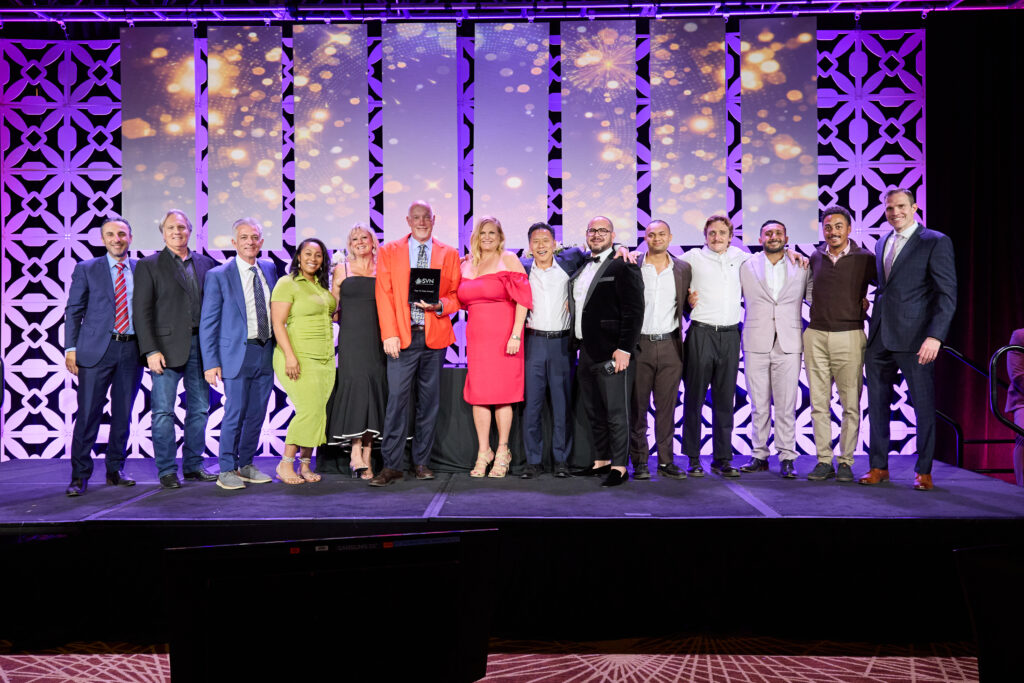
Beyond our office’s success, we are thrilled to recognize the outstanding achievements of our top-performing Advisors.
Congratulations to our TEAM as well as the many other SVN | Vanguard Advisors who took home awards. Your hard work and dedication continue to set new standards in our industry.
Achieving the top ranking is a testament to the trust our clients place in us. At SVN | Vanguard, we don’t just close deals—we create long-term value for property owners, investors, and businesses across Southern California. Whether you’re looking to buy, sell, lease, or invest in commercial real estate, our team has the expertise, market knowledge, and nationwide network to help you achieve your goals.
Are you ready to work with the best? Contact SVN | Vanguard today and let’s discuss how we can maximize your real estate investments. Visit https://svnvanguard.com/ or call us at 619-442-9200 to get started.
Thank you again to SVN® International Corp. for an unforgettable conference, and congratulations to all the winners. Here’s to another year of growth, innovation, and success!